Avoid costly repairs with a complete HOA parking lot maintenance plan. Learn inspection schedules, sealcoating cycles, and ADA compliance tips for 2026.
Putting off HOA parking lot maintenance can lead to expensive repairs and unnecessary liability. Preventive maintenance helps extend pavement life, improve safety, and reduce long-term costs for your community.
Turner Asphalt works with condominium complexes, townhome communities, and planned developments throughout North Carolina, South Carolina, Georgia, Tennessee, and Virginia. This guide outlines a practical maintenance plan HOA boards and property managers can use to protect their parking lots year after year.
A simple HOA parking lot maintenance plan includes:
- Inspect the parking lot at least four times per year.
- Seal cracks and repair damaged pavement before it worsens.
- Sealcoat asphalt every 2–4 years based on traffic and pavement condition.
- Maintain pavement markings and ADA-compliant parking spaces.
Why HOA Parking Lots Need a Dedicated Maintenance Plan
HOA parking lots experience constant stop-and-go traffic, long-term vehicle parking, and daily use by residents and guests. Over time, sunlight, water, oil leaks, and changing temperatures all contribute to pavement deterioration.
A proactive maintenance plan helps HOA boards protect their investment while reducing safety risks and unexpected repair costs. Well-maintained pavement also improves curb appeal and creates a better experience for residents and visitors.
The HOA Board’s Liability Exposure
HOA boards are generally responsible for maintaining common-area pavement. Under the North Carolina Planned Community Act (N.C. Gen. Stat. § 47F-3-107), associations must maintain and repair common elements unless their governing documents state otherwise. Addressing potholes, cracked pavement, and faded crosswalks promptly helps reduce liability and improve resident safety.
How Deferred Maintenance Compounds Costs
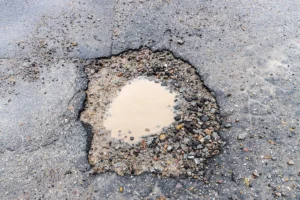
Small pavement problems rarely stay small. A minor crack can allow water to reach the pavement base, leading to larger cracks, potholes, and structural damage over time.
Addressing issues early is almost always more affordable than waiting until resurfacing or reconstruction becomes necessary. A planned maintenance program helps HOA boards budget for repairs and extend the life of their parking lots.
The Complete HOA Parking Lot Maintenance Plan
A successful HOA parking lot maintenance program focuses on preventive care instead of reactive repairs. Following a consistent schedule helps preserve pavement, improve safety, and avoid larger capital expenses.
Step 1 — Quarterly Visual Inspections
Inspect your parking lot at least once each quarter, with additional inspections after severe weather.
Look for:
- Surface cracks
- Potholes
- Standing water
- Faded striping
- Damaged curbs
- ADA parking spaces that need attention
Keep a simple inspection log with photos to track changes over time and plan future maintenance.
Step 2 — Crack Sealing and Pothole Repair
Sealing cracks helps keep water out of the pavement structure, reducing the risk of potholes and more extensive damage.
If potholes or isolated pavement failures develop, schedule repairs as soon as possible. Addressing localized damage early helps extend the life of your parking lot and prevents more costly repairs later.
Step 3 — Sealcoating on a 2–4 Year Cycle
Sealcoating protects asphalt from UV rays, moisture, fuel spills, and normal wear. While it improves the appearance of your parking lot, its primary purpose is to preserve the pavement and slow deterioration.
Most HOA parking lots benefit from sealcoating every two to four years, depending on traffic levels, weather exposure, and the condition of the pavement. New asphalt should fully cure before its first sealcoat application.
Step 4 — Pavement Marking Refresh
Clear pavement markings improve traffic flow and help keep residents and visitors safe. As part of your maintenance plan, inspect parking stall lines, fire lanes, stop bars, crosswalks, and directional markings for fading.
ADA parking spaces should also remain clearly marked and visible. Repainting markings as they wear helps maintain compliance while improving the overall appearance of your community.
Step 5 — Regular Lot Sweeping and Cleaning
Regular sweeping does more than improve curb appeal. Removing dirt, leaves, and debris helps keep storm drains clear and reduces standing water that can damage pavement over time.
Most HOA parking lots should be swept at least quarterly. Communities with heavy tree coverage or seasonal leaf drop may benefit from more frequent service.
ADA Compliance Requirements HOA Boards Must Maintain
Maintaining ADA-compliant parking areas is an ongoing responsibility for many HOA communities. Even if your parking lot was originally built to ADA standards, damaged pavement or faded markings can create compliance issues over time.
Minimum ADA Accessible Space Requirements
The ADA Standards for Accessible Design establish the minimum number of accessible parking spaces based on the total number of spaces in a parking facility.
- 1–25 spaces: 1 accessible space
- 26–50 spaces: 2 accessible spaces
- 51–75 spaces: 3 accessible spaces
- 76–100 spaces: 4 accessible spaces
- 101–150 spaces: 5 accessible spaces
- 151–200 spaces: 6 accessible spaces
At least one of every six required accessible spaces must be designated as van accessible. HOA boards should also ensure accessible parking spaces, access aisles, pavement markings, and accessible routes remain in good condition, as ongoing maintenance is part of ADA compliance.
What HOAs Are Required to Maintain (Not Just Build)
ADA compliance doesn’t end after construction. HOA boards should regularly inspect accessible parking spaces, access aisles, pavement surfaces, and striping to identify maintenance needs.
Repairing damaged pavement and refreshing faded markings helps improve accessibility while reducing the risk of compliance issues.
Common HOA Parking Lot Maintenance Mistakes to Avoid
Avoiding these common mistakes can help extend the life of your parking lot and reduce unexpected repair costs.
- Waiting for complaints before inspecting: Small pavement issues are less expensive to repair than widespread damage. Schedule routine inspections instead of waiting for residents to report problems.
- Sealcoating before repairing cracks: Sealcoating protects asphalt, but it won’t repair damaged pavement. Complete crack filling and necessary repairs before sealcoating.
- Delaying pavement repairs: Minor cracks and isolated failures can quickly grow into larger, more costly problems. Address repairs early to extend pavement life.
- Ignoring drainage issues: Standing water accelerates pavement deterioration. Keep catch basins clear and address drainage problems before they cause structural damage.
- Overlooking faded pavement markings: Worn striping and ADA parking markings reduce safety and can create compliance issues. Refresh markings as part of your regular maintenance program.
Frequently Asked Questions
How often should an HOA parking lot be sealcoated?
Sealcoat most HOA parking lots every 2–4 years, depending on traffic, weather, and pavement condition. Allow new asphalt to cure for 6–12 months before applying the first sealcoat.
Is an HOA responsible for ADA-compliant parking spaces?
Yes. HOA boards must maintain accessible parking spaces, access aisles, pavement markings, and accessible routes in safe, compliant condition.
What’s the difference between parking lot resurfacing and full replacement?
Choose resurfacing when the pavement base remains structurally sound. Replace the entire pavement structure when the base has failed.
How often should HOA parking lot cleaning be scheduled?
Schedule HOA parking lot cleaning at least quarterly to remove debris, improve drainage, and protect the pavement. Increase the frequency if your community has heavy tree coverage or high traffic.
How do HOAs budget for parking lot maintenance?
Include inspections, crack filling, sweeping, sealcoating, and pavement marking in your annual maintenance budget. Planning ahead helps reduce unexpected repair costs.
What causes HOA parking lots to deteriorate?
Daily traffic, UV exposure, water infiltration, oil leaks, and deferred maintenance all accelerate pavement deterioration. Routine preventive maintenance helps extend pavement life.