Asphalt milling is a controlled process that removes the top layer of worn asphalt while keeping the underlying structure intact when it is still in good condition. This creates a clean, uniform surface that is ready for new asphalt installation.

Pavement does not fail all at once, but there is a point where it stops doing its job, with areas that do not drain properly or surfaces that no longer hold up under traffic.
At Turner Asphalt, asphalt milling gives you a way to step in early by removing the failing surface and restoring proper grade without tearing everything out.
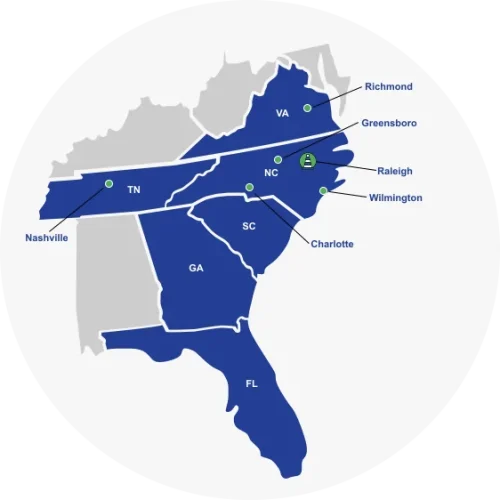
When the damage runs deeper, full-depth reclamation rebuilds the structure from the base up using on-site materials. No matter your pavement needs, we proudly help locations across North Carolina, South Carolina, Virginia, Tennessee, and Georgia restore their asphalt surfaces.

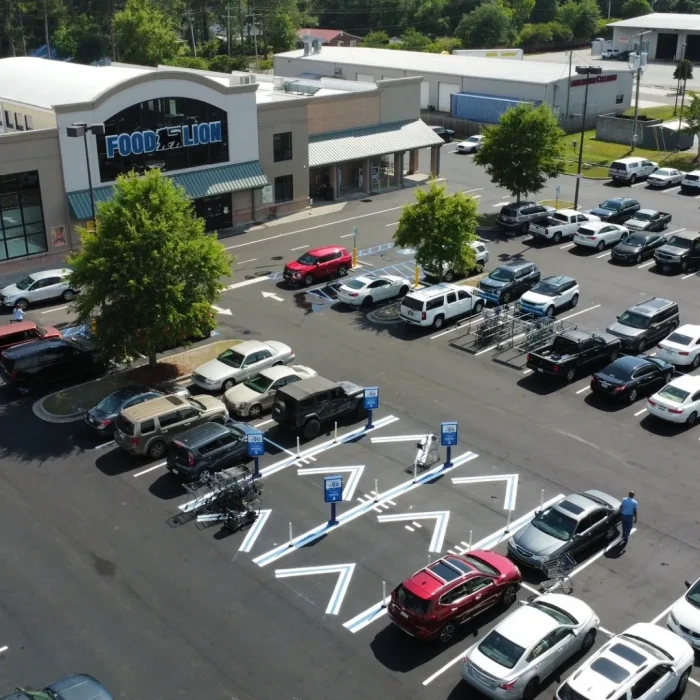
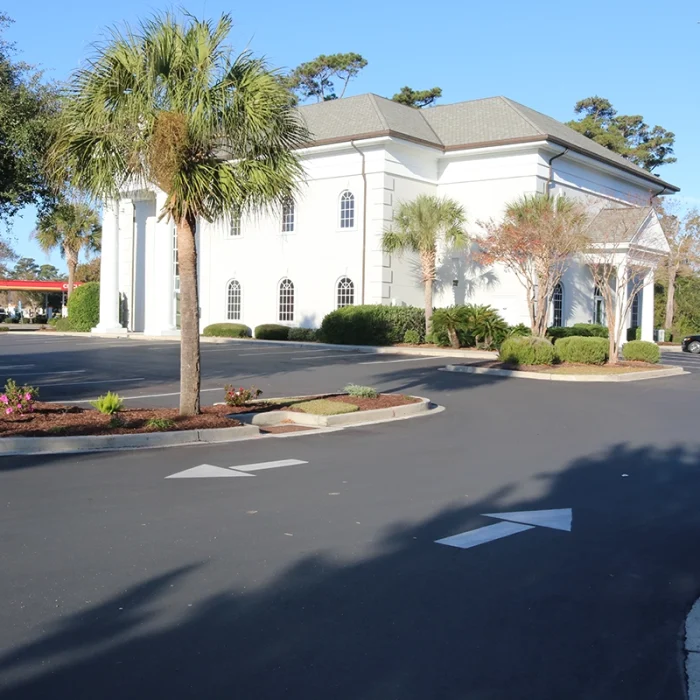
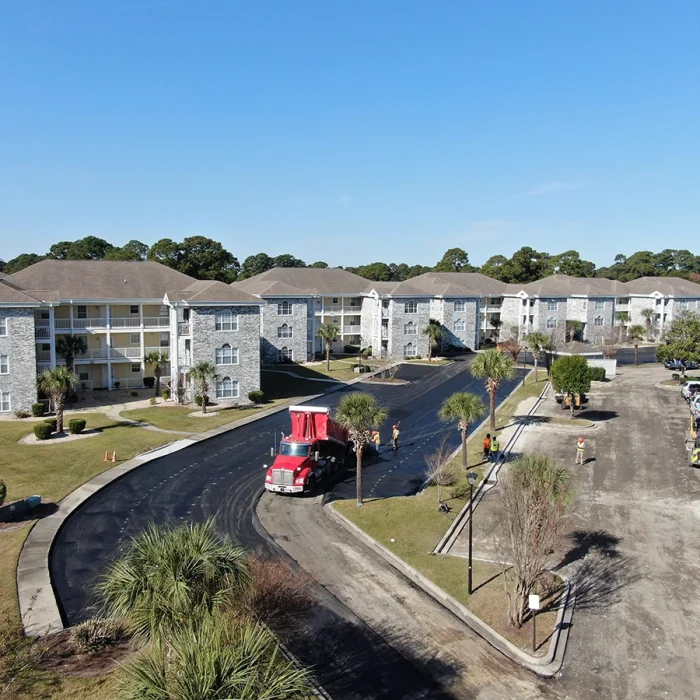
Explore a selection of milling and reclamation projects completed by the Turner Asphalt team. These projects highlight how pavement rehabilitation can restore functionality, improve surface conditions, and create a strong foundation for long-term performance.
Milling and reclamation provide a practical way to restore aging pavement without the cost and disruption of complete reconstruction. By removing damaged material or rebuilding the pavement structure using existing materials, these services help improve performance, extend pavement life, and prepare surfaces for long-term success.
Whether addressing surface deterioration, drainage concerns, or structural failures, milling and reclamation can deliver a more cost-effective path to pavement rehabilitation while minimizing waste and maximizing the value of existing infrastructure.
Milling is where the job either gets set up right or problems carry forward.
A clean, properly graded surface is what allows new asphalt to perform under real traffic conditions.
At Turner Asphalt, we follow a detailed milling process that goes like this:
Each project starts with a detailed review of the existing pavement to assess condition, milling depth, drainage, grade, and any underlying concerns.
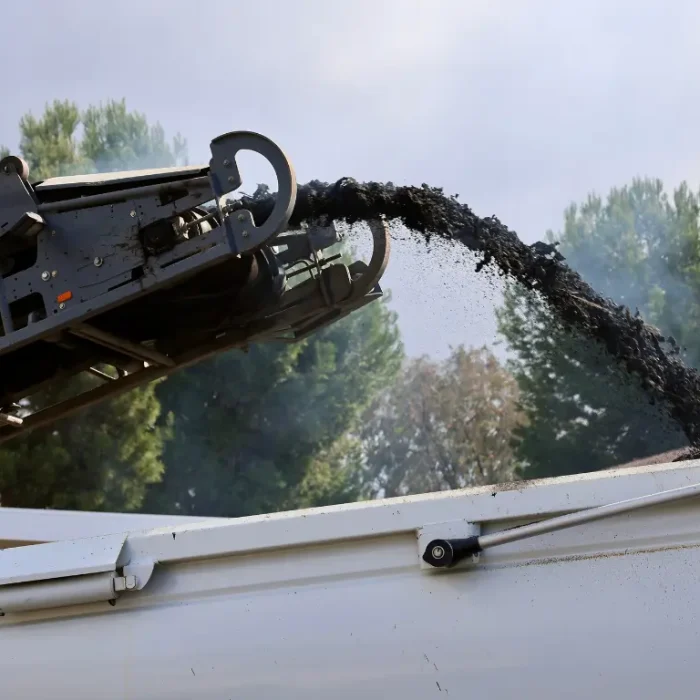
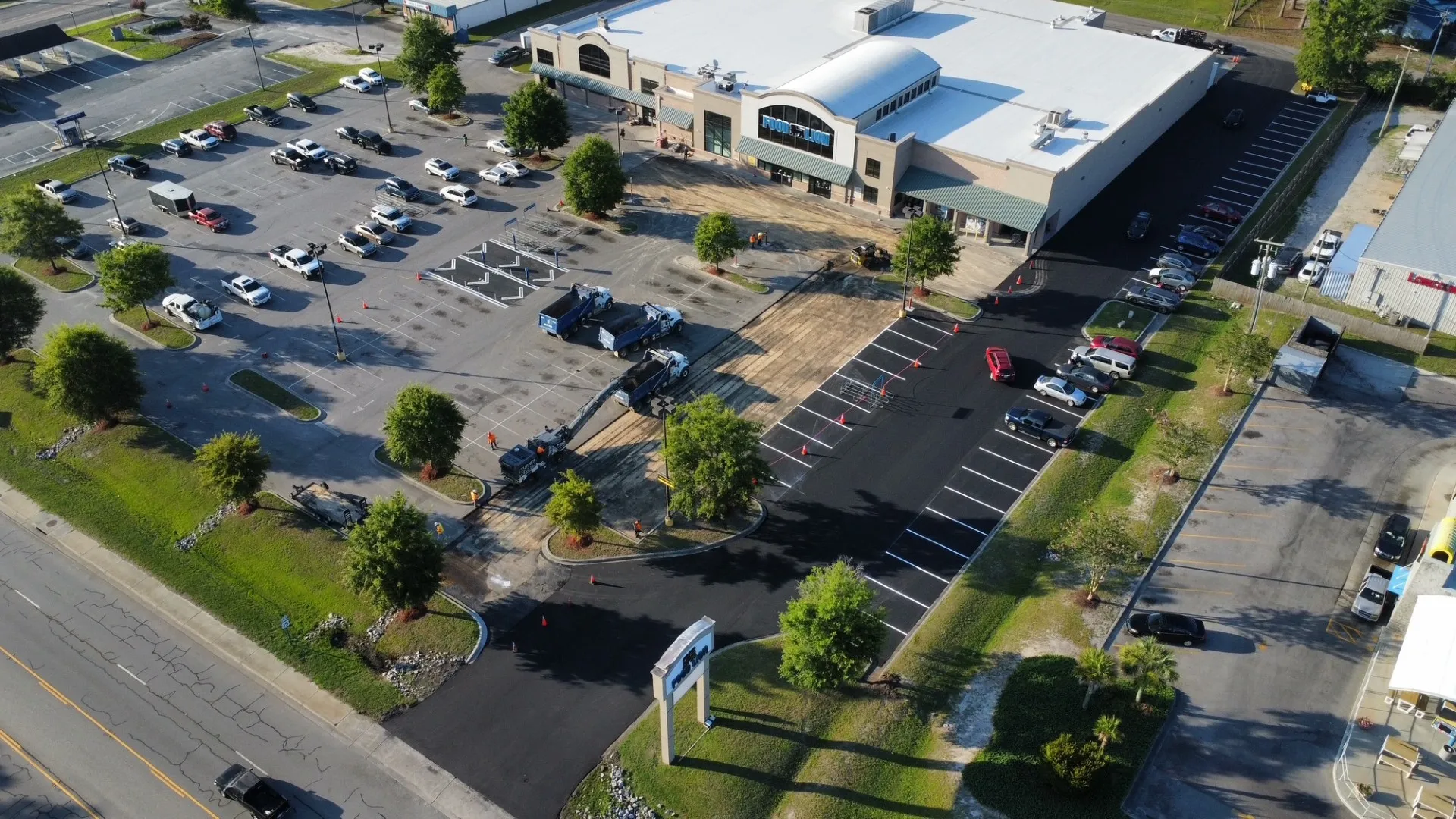
Using precision milling equipment, crews remove the appropriate depth of existing asphalt to create a uniform profile and restore proper grade across the pavement.
Milled material is removed, the surface is swept clean, and manholes, valve boxes, and other surface features are adjusted as needed for the new grade.
Once milling and preparation are complete, the surface is ready for new asphalt installation to support proper bonding and long-term pavement performance.
For milling and reclamation projects, having the right equipment is a small piece of the puzzle. They require coordination, experience, and crews who understand how to keep projects moving without disrupting day-to-day operations.
Asphalt milling and reclamation are used across a wide range of commercial and municipal environments where pavement needs to perform under consistent traffic and changing conditions.
Each surface comes with its own demands, which is why the approach is adjusted based on how the pavement is used day to day.
Asphalt milling is a controlled process that removes the top layer of worn asphalt while keeping the underlying structure intact when it is still in good condition. This creates a clean, uniform surface that is ready for new asphalt installation.
Asphalt milling is often a good option when the pavement surface is damaged, uneven, or worn, but the base is still stable. It can help correct surface issues, improve drainage, and prepare pavement for resurfacing without requiring a full rebuild.
Full-depth reclamation is a pavement rehabilitation process that rebuilds failing asphalt from the base up. The existing asphalt and base layers are pulverized, blended, graded, and compacted to create a stabilized foundation before new asphalt is installed.
Full-depth reclamation is often used when surface repairs are no longer enough and deeper structural issues are affecting pavement performance. It is commonly used for high-traffic roads, municipal infrastructure, and large commercial properties.
Cold milling removes asphalt without using heat. Crews use specialized equipment to cut into the surface at a controlled depth, which makes it easier to fix grade issues, remove damaged areas, and get your pavement prepped for resurfacing.
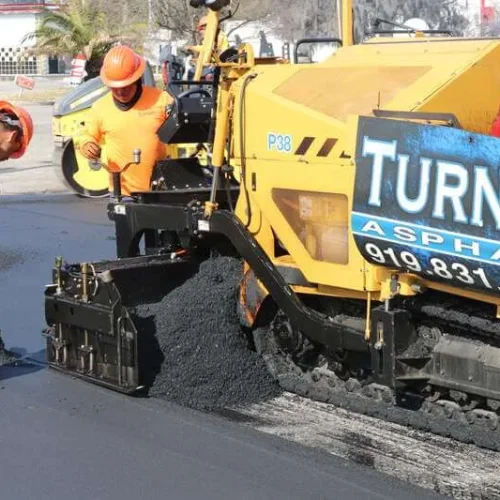
An asphalt milling machine uses a rotating drum with cutting teeth to grind down and remove the top layer of pavement. As it moves across the surface, it removes a set depth of asphalt and leaves behind a clean, even base that is ready for the next step.
As the top full-service paving company across the Southeast, Turner Asphalt is your go-to contractor for new parking lots and road construction, repairs, concrete paving, street markings, seal coating, grading, road maintenance, and more.
If you have a job outside of our service area, we’ll find a solution.
Pavement problems have a way of getting ahead of you. What looks like a surface issue today can turn into a much bigger repair once the base starts to give out, especially under constant traffic. Addressing it early gives you options. Asphalt milling can correct the surface and extend the life of what is already there, while full-depth reclamation allows you to rebuild without hauling everything off-site.
Turner Asphalt handles this work across North Carolina, South Carolina, Virginia, Tennessee, and Georgia with crews that come in ready, get to work, and keep the job moving from start to finish.