




Asphalt’s greatest enemy is water. When water seeps into the pavement, it can go through the freeze-thaw cycle and cause the pavement to bend and crack. This wears down the pavement over time, making it weaker and more susceptible to damage from heavy traffic. As cars drive over the weakened asphalt, the pressure can cause the pavement to crumble and crack, creating a pothole.
Asphalt Patching & Pothole Repair in the Southeast U.S.
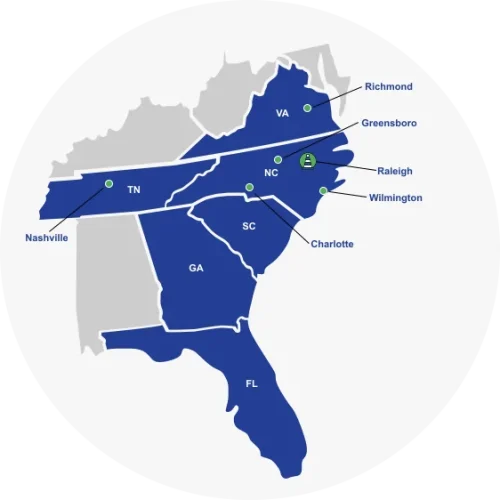
Turner Asphalt serves Raleigh, Nashville, Charlotte, Richmond, Columbia and beyond with expert asphalt & concrete paving services.
EXpert Asphalt Patching & Pothole repair in Charlotte, Raleigh, Nashville, & The REst of the Southeast U.S.
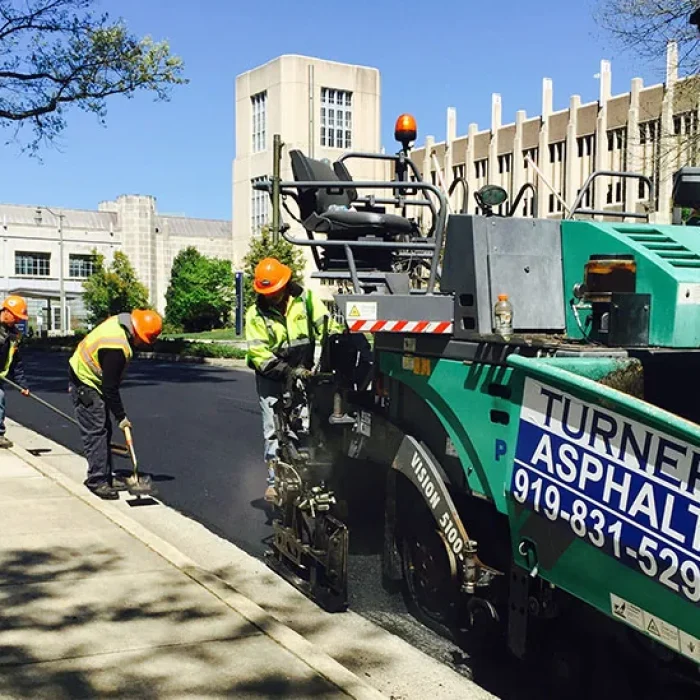
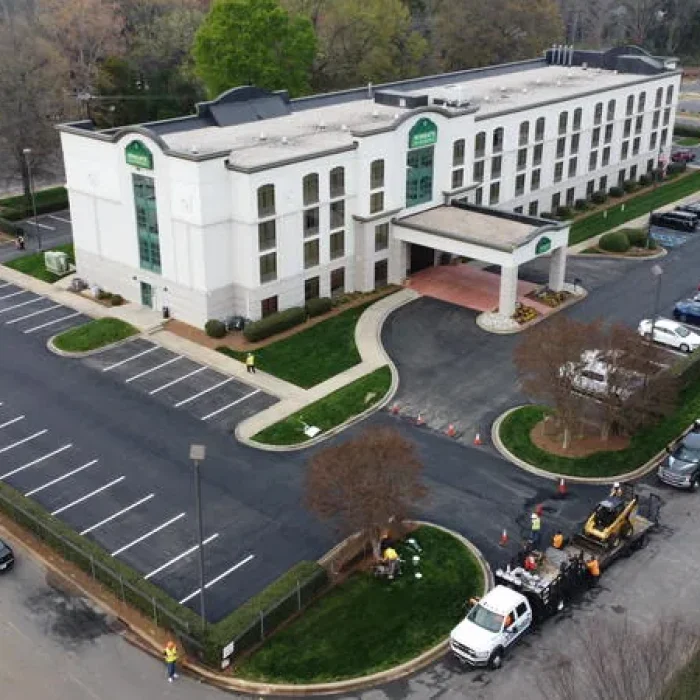
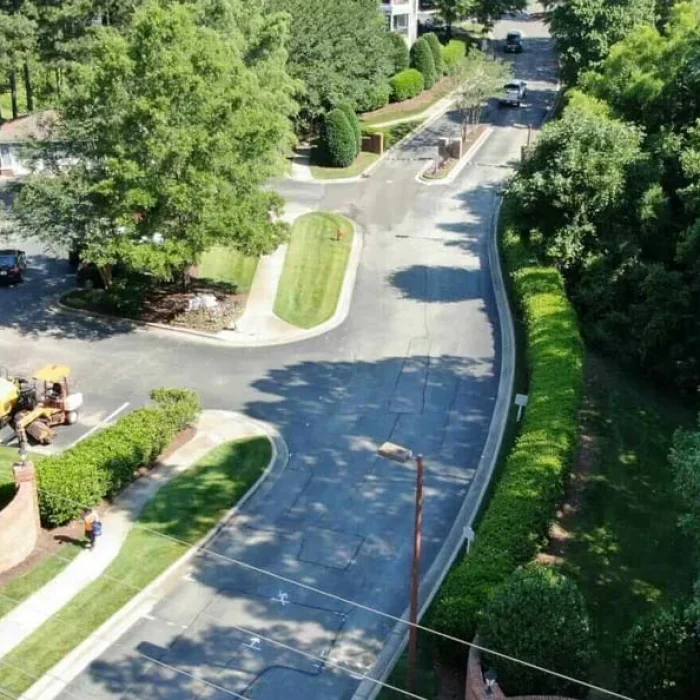
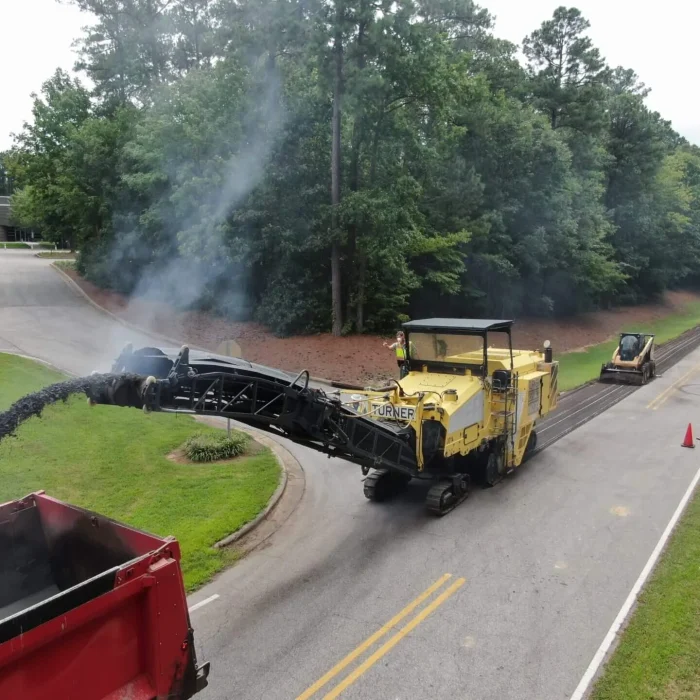
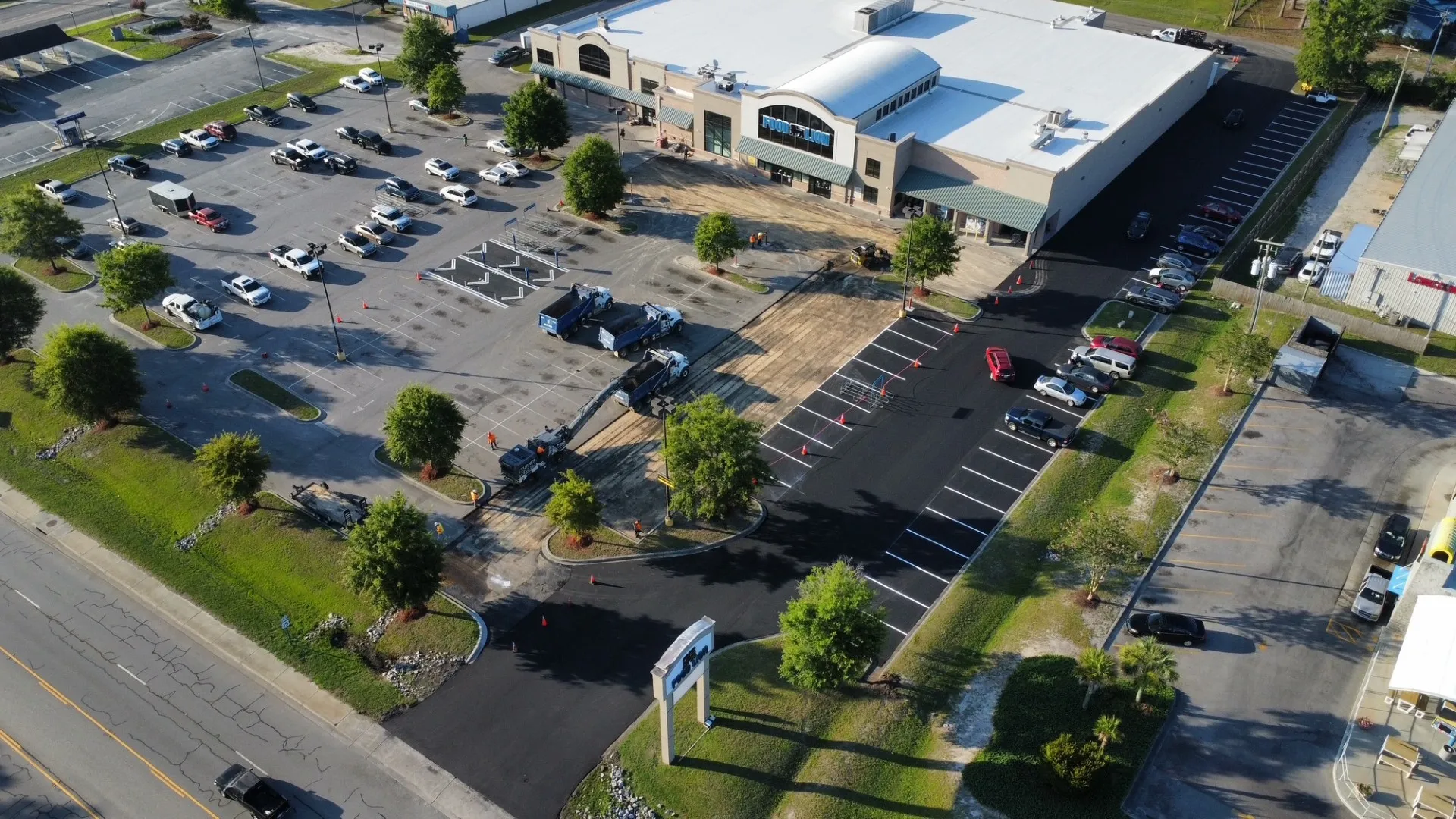
Whether working within a defined budget or repairing specific problem areas of a parking lot, our team regularly performs asphalt repairs. Rather than having to repave an entire lot, asphalt repairs target rectangular sections of the parking lot with failing asphalt. Using a milling machine or saw cutting very small areas, we are able to preserve good pavement and prevent bad areas from spreading.
Why Do Potholes Form in Pavement?
- Shifting ground: One of the main causes of pothole formation is movement in the ground the road is built on. As the ground shifts underneath the road, stability decreases while cracks and holes emerge.
- Wear and tear: A surface made of asphalt is meant to withstand regular stress from heavy vehicles passing over it. But all surfaces have their limit. Over time, this impact compounds and contributes to pothole formation.
- Water infiltration: Another main source of potholes is when a small crack allows water in, which widens and lengthens the pothole. This crack gradually weakens the surrounding pavement and a hole forms as water carries away disintegrating material.
Key Benefits of Asphalt Patching & Pothole Repair
- Better Road Conditions
- Fewer Driving Risks
- Improved Longevity
- Improved Aesthetics
- Preserved Structural Integrity
- Better Driving Experience
We’re Proud Members Of:


Our Asphalt Patching Process
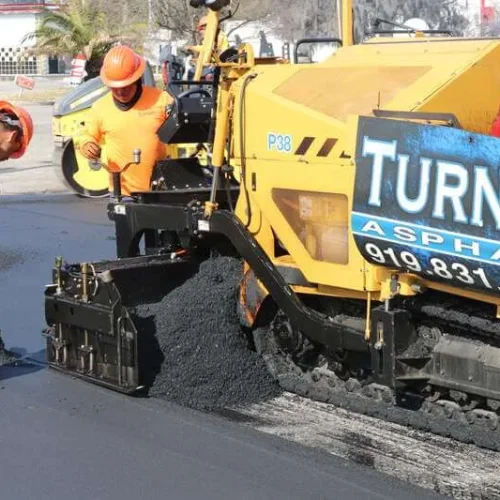
Asphalt patching helps repair potholes and localized pavement damage before they become larger safety or structural issues. Our process focuses on proper preparation, material placement, and compaction to create a durable repair.
Inspect the Damage
We evaluate the damaged area to understand the severity of the issue and determine the best repair approach for the pavement condition.
Prepare the Surface
We remove debris, dirt, broken asphalt, and other materials from the area to create a clean, stable surface that allows the patching material to bond properly and perform as intended.
Apply the Asphalt Patch
We place the appropriate asphalt patching material into the damaged area, then shape and level it to match the surrounding pavement surface.
Compact the Material
We compact the patch with a roller or compactor to improve stability, reduce air gaps, and create a smoother, longer-lasting repair.
Ensure Lasting Pavement with Pothole Repair & Asphalt Patching Across the Southeast
Since these holes start small and quickly affect everything around them, the quicker they’re identified and patched, the less damage they’ll cause. It’s not uncommon for a pothole or two—when left unpatched—to spread and create a costly repair job on a surface that was otherwise in good shape.
The best time to identify potholes is after a hard rain. Rain can loosen the ground underneath and around a paved surface, causing the ground shift problem. It can also enter small cracks and widen them. Look for standing water in lower areas that are more likely to be affected.
Here's What Our Customers Are Saying
Keeping Pavement Safe Across a Range of Properties
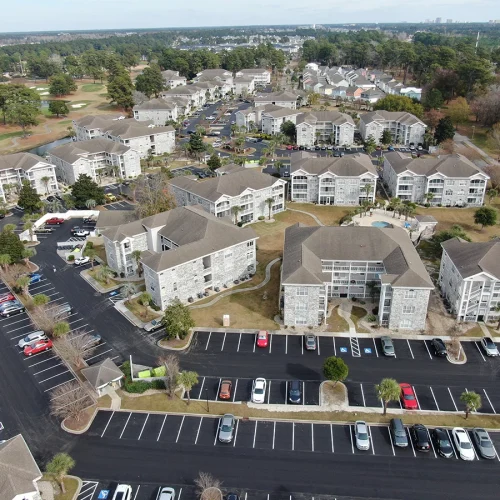
Potholes and localized pavement damage can create safety concerns, impact appearance, and lead to more extensive deterioration if left untreated. Asphalt patching provides a practical solution for restoring pavement condition and maintaining safe, functional surfaces across a variety of property types.
Industries We Serve
Retail & Shopping Centers
Property Management Groups
Healthcare Facilities
Frequently Asked Questions
What causes potholes in asphalt?
What is the difference between asphalt patching and crack repair?
The services we provide depend on the type of pavement damage and how deep it goes. Asphalt patching is similar to adding a patch to your clothes, in that our team will lay new asphalt to repair large areas of damage, such as potholes. In comparison, crack repair seals small cracks in the pavement before they turn into bigger problems, helping to reduce the need for a patch.
How do I know if my pavement needs asphalt repairs?
Our team can get to work repairing your pavement at the first signs of wear and tear. Look for clues such as cracks, pooling water, potholes, and a faded surface. The sooner we repair minor damage, the more resistant your asphalt will be to more extensive damage in the future.
How much do asphalt repairs cost?
The repair costs to fix cracking and potholes vary depending on a variety of factors. This can include the severity of the damage, the size of the area that needs repairs, the method used to repair the pavement, and where you live. Our team at Turner Asphalt can take a look at your pavement and give you a quote before we get to work so you know what you’re getting into.
Planning & Resources
Our Service Areas
The Southeast’s Premier Paving & Concrete Provider
As the top full-service paving company across the Southeast, Turner Asphalt is your go-to contractor for new parking lots and road construction, repairs, concrete paving, street markings, seal coating, grading, road maintenance, and more.
If you have a job outside of our service area, we’ll find a solution.
Areas We Serve
- Myrtle Beach
- Charleston
- Columbia
- Greenville
Ready to Repair Your Pavement?
Don’t let potholes and surface damage continue to impact safety, appearance, or pavement performance. Contact Turner Asphalt today to discuss your asphalt patching needs and request a free estimate for your property.