Learn how the freeze-thaw cycle impacts asphalt pavement, why Southeast weather accelerates cracking and pothole formation, and what proactive maintenance steps can help protect your pavement and extend its lifespan.
Winter in the Southeast can be unpredictable. One day may bring freezing temperatures, while the next feels more like early spring. While these swings may seem mild compared to colder regions, they create ideal conditions for pavement damage through a process known as the freeze-thaw cycle.
Understanding how this cycle works—and why it’s so damaging—can help property owners take proactive steps to protect their asphalt surfaces, avoid costly repairs, and maintain safer conditions throughout the winter and beyond.
What Is the Freeze-Thaw Cycle?
The freeze-thaw cycle occurs when temperatures repeatedly fluctuate above and below the freezing point. Here’s how the process impacts your pavement:
- Water seeps into small cracks and joints.
Even the tiniest openings in asphalt allow moisture to penetrate beneath the surface. - Cold temperatures cause that moisture to freeze and expand.
When water freezes, it expands by about 9%, exerting pressure on the surrounding pavement. - Repeated freezing and thawing weakens the pavement structure.
As temperatures rise, the ice melts and contracts. Over time, this constant expansion and contraction widens cracks, loosens the pavement base, and leads to potholes, surface failures, and structural breakdown.
These repeated cycles can quickly turn small, manageable defects into significant damage that requires extensive—and expensive—repairs.
Why the Southeast Is Especially Vulnerable
Unlike northern climates where temperatures often stay below freezing for extended periods, the Southeast experiences frequent temperature fluctuations. This means pavement is subjected to more freeze-thaw cycles in a shorter time, accelerating deterioration.
Rain and melting frost further contribute to moisture penetration, increasing the likelihood of damage. As a result, even well-maintained pavement can suffer during winter if small issues aren’t addressed early.
Common Signs of Freeze-Thaw Damage
As winter progresses, property owners should watch for:
- Expanding cracks or interconnected cracking patterns
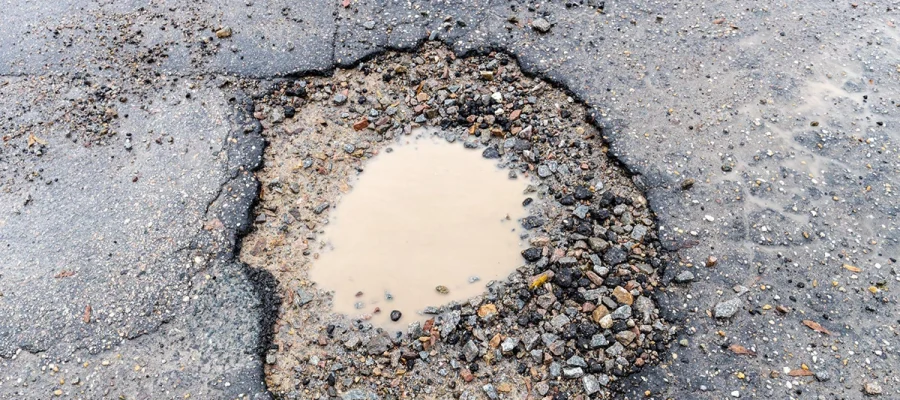
- Small potholes forming after cold snaps
- Surface crumbling or raveling
- Uneven pavement or minor depressions
Catching these issues early allows for faster, more affordable repairs and helps prevent widespread pavement failure.
Protect Your Pavement with Proactive Maintenance
At Turner Asphalt, we help property owners stay ahead of winter damage through proactive crack filling, patching, and pavement evaluations. Addressing small problems now can significantly reduce the risk of larger failures during peak winter conditions.
Proactive maintenance not only protects your pavement through the colder months but also ensures your property is ready for safer, smoother conditions in the spring. Well-maintained pavement enhances safety, improves appearance, and extends the life of your asphalt investment.
Small Repairs Today Prevent Major Problems Tomorrow
The freeze-thaw cycle may be unavoidable, but the damage it causes doesn’t have to be. Taking a proactive approach now can save time, money, and disruption later.
If your pavement hasn’t been inspected recently—or if you’ve noticed early signs of winter damage—now is the perfect time to act. Let’s take a look before winter takes its toll.